


Proving technology is not just for boys
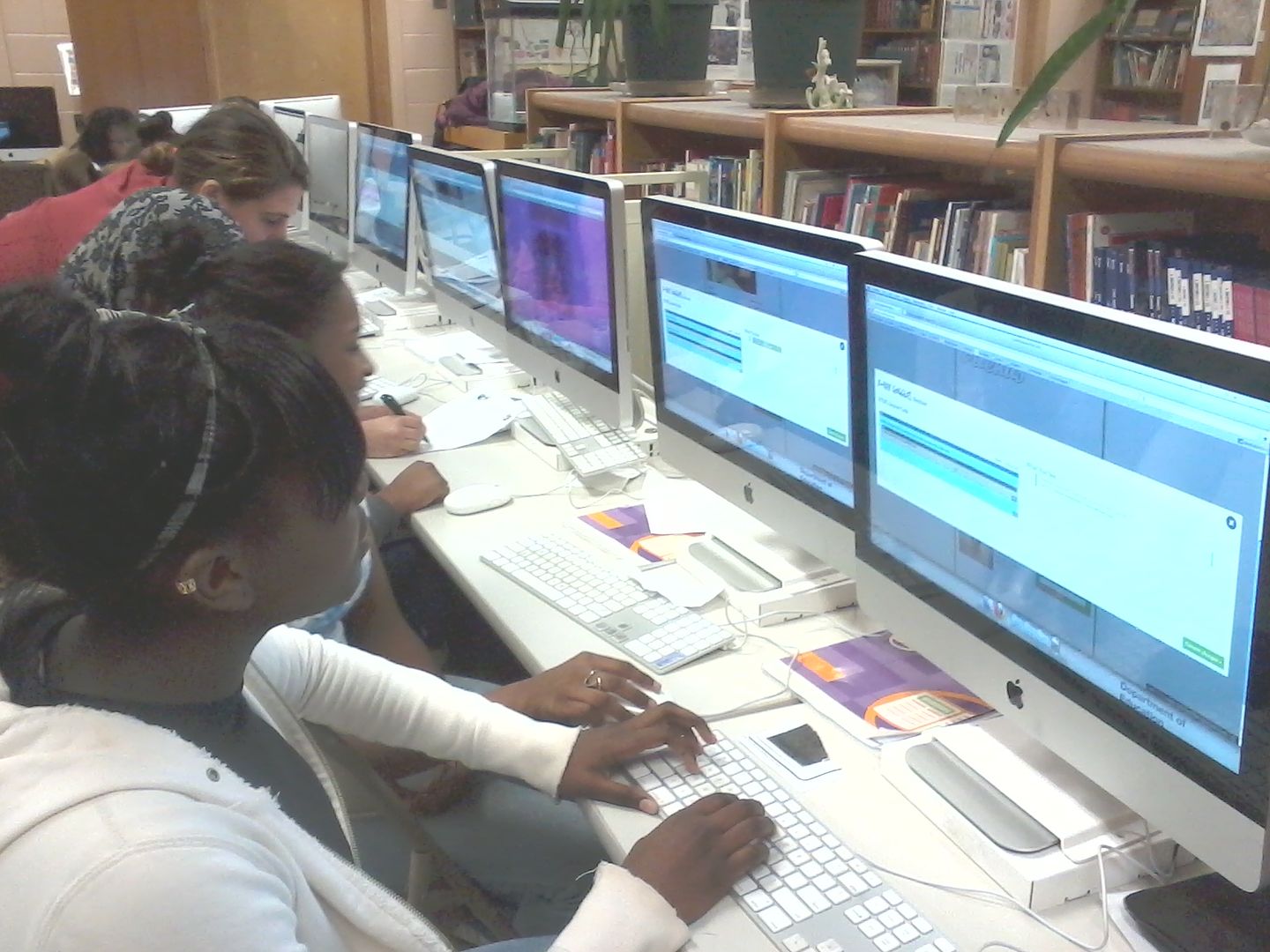 Meet Little Miss Geek; “inspiring the next generation of young girls to become tech pioneers”.
While the advent of geek chic may have improved the image of the technology sector – we now tend to think of hipster glasses and Palo Alto rather than dodgy beards in basements – it still has not evolved to include many women.
A perception grounded in fact, with women representing just 17 per cent of those working in the technology sector.
But it is important for technology that more girls and women be involved, for from breakfast to bedtime – as we email friends, use apps for information or read the news – our life is influenced by technology.
This gender imbalance starts from a young age.
In 2012, girls made up just 6.5 per cent of students taking computing A-levels.
And an O2 survey in 2012 revealed that only 17 per cent of girls had learned any coding at all at school, compared to 33 per cent of boys.
This disparity should be addressed for a range of reasons.
With the impact of technology being so important to our lives, we certainly need a better gender balance in those creating that technology.
For girls, a stronger involvement in technology is not only fun but it opens up a huge range of career options.
And contributing to and shaping this sector means having an influence on society as a whole.
Furthermore, as Computer Weekly points out, tech is a crucial part of our economy.
If we want a thriving and innovative tech sector we need a full and diverse workforce – which means more women.
There are several barriers to girls’ access to learning technology, but one of these is image perception.
From a very young age, boys and girls are given signals about which roles and qualities are deemed appropriate for each gender.
These do not just tell boys and girls what to do in their present childhood, but also informs them about what it will be possible for them to do with their futures.
And technology and computer skills are often portrayed as things which ‘aren’t for girls’.
When it comes to toys, boys get building tools and girls get dolls – this cartoon neatly illustrates this phenomenon.
The other issues discouraging girls from learning technology skills include a lack of support and mentorship, of confidence in the subject and a perception that technology is about spreadsheets rather than creativity.
Campaigners are fighting to break down these barriers.
Meet Little Miss Geek, a campaign for “inspiring the next generation of young girls to become tech pioneers”.
Launched in October 2012, the group run day academies in London schools.
They offer schoolgirls inspiring speeches from guest speakers, introduce them to coding and get them to design their own level in video games.
With some success, as Rebecca Armstrong reported when she wrote what happened when Little Miss Geeks took over two girls’ schools on International Women’s Day; working in gaming was deemed ‘cool’.
Increasing the number of girls in technology can have far-reaching implications for technology itself and its uses, for the gender balance in the workforce and for women’s involvement in other STEM (Science, Technology, Engineering and Maths) areas.
The very process of engaging more girls in technology gives them confidence as they learn something new and shows them just how broad their options really could be.
Changing the image perception of the role girls can play in technology could also have beneficial repercussions in other areas.
And as the UK government’s digital champion Martha Lane-Fox said, “It’s a digital world now”.
Let us keep on pushing to ensure that girls are not excluded from it.