


Unmask my City campaign launched
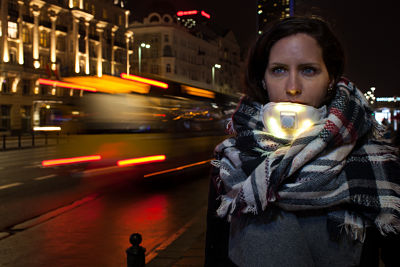 We have the solutions – such as replacing coal with renewable power sources – we need the political will.
The Health and Environment Alliance (HEAL) is calling on city authorities to clean up the air in Europe – and launched a new campaign on 2 May, World Asthma Day 2017.
The Unmask My City project is a global initiative by doctors, nurses, public health practitioners, and allied healthcare professionals dedicated to improving air quality and reducing emissions in our cities.
It calls for all cities to meet the World Health Organization (WHO) air quality guidelines and to adopt policies and programmes that will put cities on a path towards meeting this objective.
Other solutions, including alternative transport fuels, switching freight to trains, providing cleaner fuels for home heating, and better infrastructure and urban planning to support active travel policies, will improve people’s health and reduce global warming simultaneously.
Coal-powered electricity generation is responsible for 18,600 premature deaths in the European Union.
HEAL is leading the campaign in Europe, supported in Europe by the Standing Committee of European Doctors (CPME), the International Association of Mutual Benefit Societies (AIM), the European Respiratory Society (ERS), the European Academy of Allergy and Clinical Immunology (EAACI), the European Federation of Allergy and Airways Diseases Patients’ Associations (EFA), the European Lung Foundation (ELF), and the International Primary Care Respiratory Group (IPCRG).
Following the launch, European city campaigns will rolled out in Warsaw, Poland from 13 May; in Adana, Istanbul and Hatay, Turkey from 15 May; in Belgrade, Serbia from 4 May and in London by UK Health Alliance for Climate Change on 2 May.
Among the other cities where the project is being launched are Salt Lake City, USA; Chennai and Ahmedabad, in India; and Sao Paulo, Brazil.
The global initiative is being coordinated by the Global Climate and Health Alliance together with HEAL, Health Care Without Harm, the US Climate and Health Alliance, and the UK Health Alliance for Climate Change.
These organisations are connecting with local health partners and their communities to promote practical solutions and create tangible city level policy changes that will drive a clear, downward global trend in urban air pollution by 2030.
In January 2017, just five days into the new year, several London roads breached their annual air pollution limits, while in 2016 the annual mean limit for NO2 pollution was broken at 59 out of 97 London sites.
Particulate matter (PM), which can harm our hearts and lungs, and nitrogen dioxide (NO2), known to affect lung function and breathing, are the two most concerning pollutants in London, where air pollution is estimated to shorten lives by 140,743 years – the equivalent of up to 9,400 deaths a year in London alone.
Improving London’s air quality is a priority for the Mayor, and road transport is the key driver to address.
So far, the city has committed to doubling funding for air quality; to imposing an extra charge on the most polluting vehicles (so-called ‘T-charge); to implementing several Low Emission Bus Zones; to introducing an ‘Ultra Low Emission Zone’ (ULEZ) earlier than scheduled; and to spending £770m on cycling over the next five years.
However, this problem is not limited to London; 38 out of 43 UK areas have been reported to be in breach of nitrogen dioxide limits.
It is critical that other UK cities implement ambitious strategies to tackle air pollution and enable people to cycle and walk as part of their daily routine.
Addressing air pollution and unmasking UK cities is essential to protect public health not only from the immediate health risks linked to road transport, but also from the long-term threat climate changes poses to our health and our NHS.
Air pollution in Europe is responsible for around 467,000 premature deaths in Europe every year.
Three quarters of the European Union’s population lives in urban areas, and this percentage will increase to 80 per cent by 2020.
So cleaner air will save lives, improve health, and make a huge contribution to the greenhouse gas reductions needed to keep the world safe from climate change crises.
“Air pollution remains a serious health risk in Europe. Ninety per cent of the urban population is exposed to levels considered harmful to health by the World Health Organization,” Roberta Savli, Deputy Director at HEAL said.
“We have the solutions – such as replacing coal with renewable power sources. The challenge is to create the political will to rapidly implement them for better health and to mitigate climate change.”
For a factsheet on global air pollution, health and climate change, click here.