


Displaced Iraqi female-headed families face increasing hardships
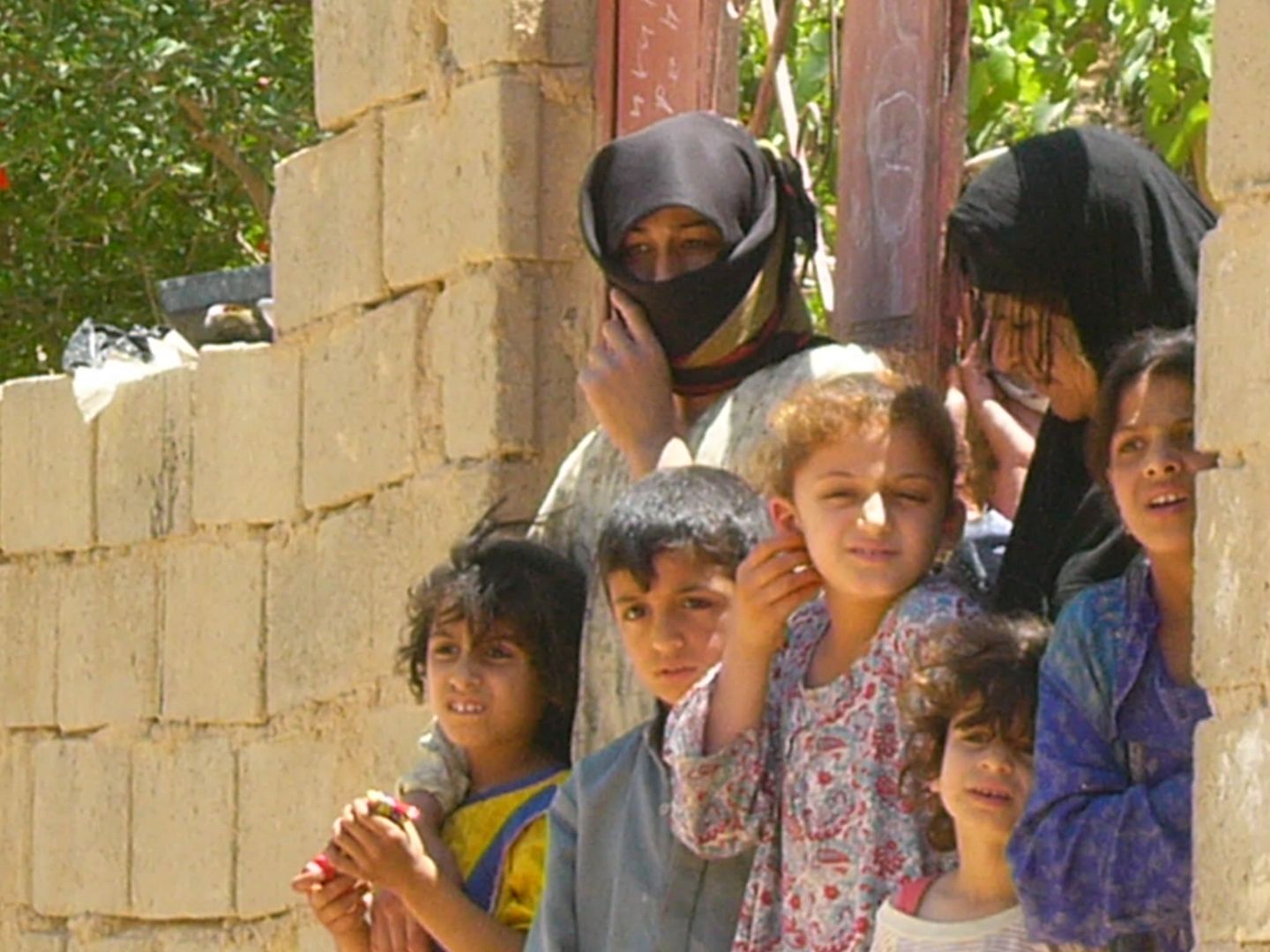 Displaced Iraqi female-headed families, price who have returned home, ampoule are experiencing major livelihood challenges, says the International Organisation for Migration (IOM).
An IOM survey of 1,355 such families, who returned to their places of origin, found that 74 percent are struggling to secure adequate nutrition for their families.
The survey, published on 3 December, also found that health problems and social norms had prevented nearly 40 percent of them from finding jobs. Of those who are able to work, 71 percent are unemployed.
It concluded that domestic violence against women had substantially increased in the past five years, with one in five Iraqi women subjected to physical violence, and a third to psychological abuse.
Iraqi activist and former lawmaker, Salama Smeisim, said a swift and new approach had to be taken by the government, local and international organisations towards female-related issues in Iraq, especially the displaced.
“The oppression against women is still continuing in Iraq,” Smeisim told IRIN. “The plight of the displaced women has not been dealt with seriously. They need adequate houses to preserve their dignity, schools for their children, electricity and drinking water.”
The survey shows the implications that arise as a result of female-headed families lacking the same status as male-headed families.
Mohammed Abdul-Jabbar, a Baghdad-based analyst, said that neglect of women-related programmes was due to the political and security turmoil experienced by the previous governments.
“Of course politicians, whether inside or outside the government, were not dealing with women’s issues as one of the urgent needs to [rebuild] the society as they set a list of priorities in the political and security fields,” Abdul-Jabbar said; highlighting the lack of understanding for the importance of equality in maintaining a stable society.
“It is highly unlikely that any progress could be achieved in this field by the next government as the same problems in the security and political arena still exist and are deep,” he added.
To read the full story go to IRIN.