


Women need greater say in dealing with African drought
 Summary of story from trust, August 8, 2011
A lack of women in policymaking is worsening the impact of the Horn of Africa drought, United Nations and aid agency officials say.
The region, which is seeing intensifying dry weather, is struggling with its worst drought in 60 years.
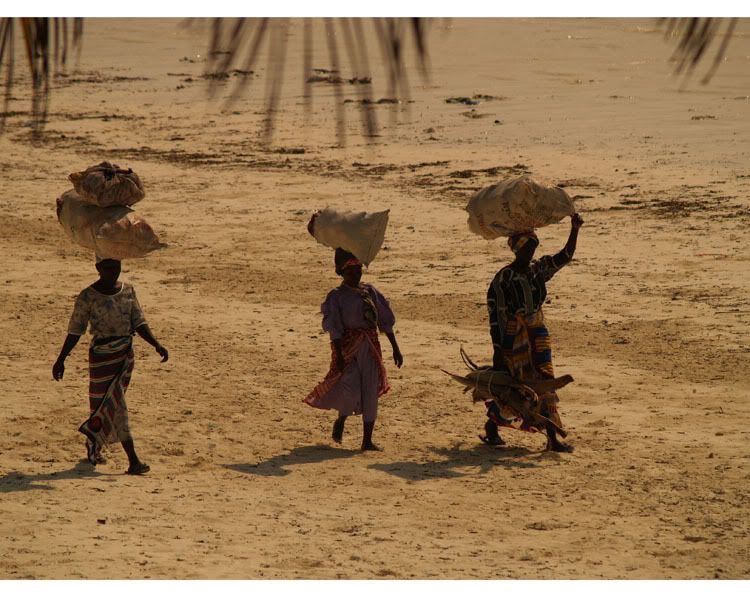
And according to aid agencies, women are being worse hit than men.
However, it is believed that part of the solution may lie in investment in women.
According to the United Nations Population Fund (UNFPA), women produce a majority of the world’s food, but get less than 10 percent of farm credit, suggesting that ‘investing in women is key to solving a food crisis’.
To implement effective policies that curb climate change and drought, women need to gain more representation in government bodies, say advocates.
Many women face cultural barriers to an active public role, or simply lack the time.
And Louis Belanger, an Oxfam International spokesperson, has also emphasised that women are frequently ‘on their own’ – widowed and with many children – key barriers to their gaining access to the political arena.
A further challenge to increased political involvement for women lies in the fact that Somalia has had no formal government since 1991.
Henia Dakkak, a Somalia researcher for the UNFPA, believes that more effort needs to be put into consulting women and using their specific environmental knowledge to improve agricultural and nutrition programmes.
An existing model which may be implemented in Somalia is Ethiopia’s Health Extension Program (HEP) which helps women gain more credibility and respect in their communities.
According to Kay Khan, chair of the Massachusetts Joint Committee on Children, Families and Persons with Disabilities, who visited Ethiopia last year to see the programme, HEP could be the first step to helping rural women become leaders in their communities.
“The model is built around going to remote villages and choosing young women who have shown some leadership potential in their community,” said Ms Khan. “It is all about education and (helping) young women to develop their own skills and abilities to be seen as credible.”