


Zambian project reduces numbers in sex work
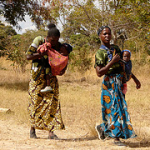 Summary of story from WomenseNews, January 17, 2012
A grassroots non-governmental organization that aims to eliminate commercial sex work and HIV/AIDS in Zambia is reducing the number of women working in the sex industry.
The Tasintha Programme has recruited and provided skills training to 7,000 female sex workers in Lusaka since 1992.
About 60 per cent of them have left sex work. One woman, Comfort Mwansa, is now in school and makes door mats to sell.
But many more die from AIDS and other diseases and new women become involved. Clara, 28, who has been a sex worker for the past 10 years says she does it to provide for her daughter.
Making $80 a day, sex work remains a huge lure for her, even though she has to fight daily to keep free of HIV/AIDS.
“For me, I know about HIV, and I always do my best to avoid getting this disease,” she says.
“And, you know, it is not easy because at times we get clients who don’t want to use a condom and, actually, there are times when our clients even rape us.”
There are different categories of sex workers in Zambia, according to Tasintha.
‘White-collar sex workers’ are educated and have jobs, yet also secretly engage in it. ‘Hard-core sex workers’ work in hotels, lodges, clubs and bars. They are usually targeted by foreigners and tourists and frequently use drugs.
Those in the third group are children who start sex work as early as 12 years old.
According to the World Bank nearly 70 per cent of the population lives below the national poverty line in Zambia.
HIV infects 13.5 per cent of the population between the ages of 15 and 49, according to the Joint United Nations Program on HIV/AIDS, and women are more likely to be living with HIV than men.
President Michael Sata, who took office in September 2011, has pledged to create more employment opportunities for young people and for women as part of his poverty-alleviation strategies.
Even if 3700 women stopped sex work to make and sell mats door to door since 1992 – and were not replaced in the sex industry by other women – that would have no statistically significant effect whatsoever on the progess of the HIV in Zambia. These stories are spin pfeminists and put out by Christians and feminists in support of diverting money away proper programs that can help sex workers to live and work safely to the rehabilitation and moral redemption they believe in. Who is the donor ? Clearly not any organisation that evaluates their spending with any real indicators.
Even if 3700 women stopped sex work to make and sell mats door to door since 1992 – and were not replaced in the sex industry by other women – that would have no statistically significant effect whatsoever on the progess of the HIV in Zambia. These stories are spin put out by Christians and feminists in support of diverting money away from proper programs that can help sex workers to live and work safely to the rehabilitation and moral redemption they believe in. Who is the donor ? Clearly not any organisation that evaluates their spending with any real indicators.