


Mother peer counsellors fight malnutrition in Guatemala
 Sara Dzregah
WVoN co-editor
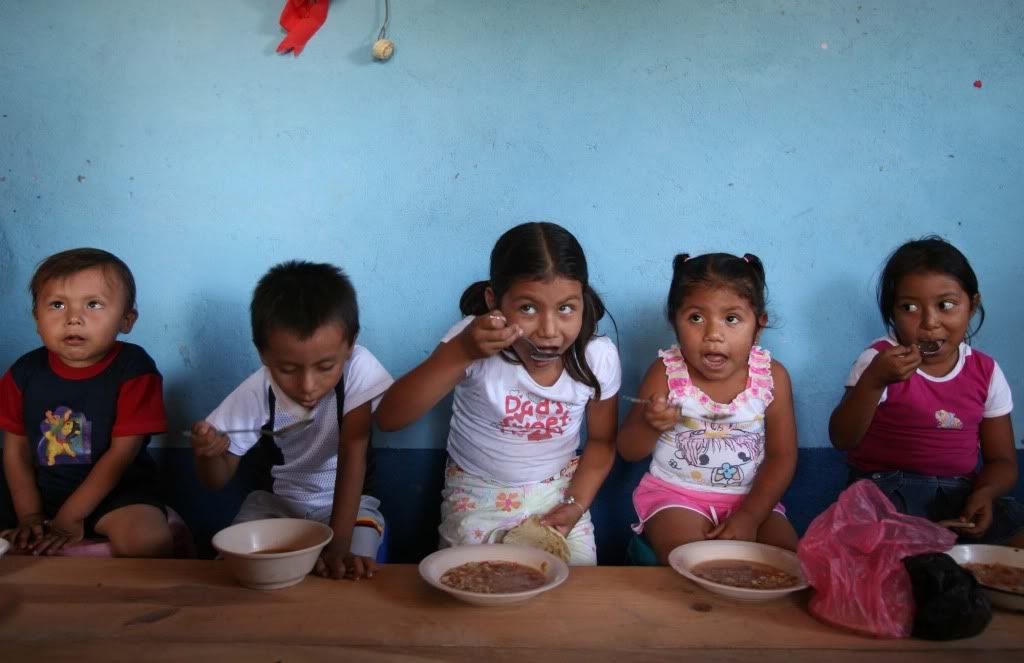
A network of Guatemalan mothers are working to educate families about nutrition and feeding practices in communities where over 80 per cent of young children suffer from under-nutrition.
At 50 per cent, Guatemala’s rate of chronic under-nutrition for the under-fives is the highest in the region, and the fourth highest in the world.
Stunted growth is common and Guatemala belongs to a list of countries that account for 90 per cent of all stunting in the world.
So far, 228 mothers have been trained to volunteer in a project which aims to reduce malnutrition among children, pregnant women and breastfeeding mothers.
“I learned that our children have to be very clean, they should only drink their mother’s milk and eat healthily to grow without malnutrition.
“When they go to school, I need to prepare food so they concentrate on their lessons and grow healthy” said Catarina, one of the volunteers.
The project is supported by a range of UN agencies as well as the Guatemalan government and is targeting 40 indigenous communities in the Totonicapán area, where child malnutrition is 82 per cent, the highest in the country.
Irma Chavarría, the head of the Community Education Strategy Programme that trains mother-to-mother counsellors and provides support to local groups, said:
“During the past year, we have accompanied and monitored the group of mother peer counsellors who have been receiving training through the Joint Programme’s Community Education Strategy to improve the food security and nutrition of children in Totonicapán”.
“These women are elected leaders in their communities. They are committed volunteers willing to share proper practices on breastfeeding, the timely introduction of complementary and fortified food to small children, and local good practices in the family diet for pregnant and nursing mothers”, she said.
Vilma Argueta, one of the volunteers, explained how taking part in the project had impacted on her.
“I like being a mother peer counsellor because I can help my community and feel useful.
“The women in my support group are grateful for the information on the topics we discussed. It helps them care better for their children if they are sick and improve their care so they don’t get sick”.