


Deregulation plans threaten pay of thousands of teaching assistants
 The organisation that sets the pay for tens of thousands of school caretakers, pastoral carers and teaching assistants in the UK has been scrapped today, leading to fears of future underpayment.
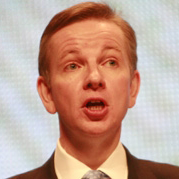
In a move which will effect the pay of at least 200,000 teaching assistants working in state schools, Michael Gove, the education secretary, told the Commons he was abolishing the School Support Staff Negotiating Body (SSSNB) because it “did not fit well with the government’s priorities for greater deregulation”.
The Association of School and College Leaders said the move was “a retrograde step” and could lead to staff who “play an immensely important role in providing high-quality education” being underpaid.
The organisation was a working group trying to establish a national pay structure and working conditions for teaching assistants, “dinner ladies”, school caretakers, pastoral assistants, business managers and other school support staff in England. There is currently no pay framework such as the one for teachers.
Their pay and conditions will now be determined by their school, if they are an academy, and by their local authority, if they are a community school.
Many teaching assistants are paid as little as £11,000 a year for a fulltime job. This move is yet another indicator that the coalition’s quest for deregulation is disproportionately affecting those at the bottom end of the ladder, most of whom are women.
Brian Lightman, general secretary of the Association of School and College Leaders, said: “This will lead to big variability and they may be underpaid as a result.”
Speaking in the Commons, Gove said: “The government has conducted a review of the future policy direction for determining school support staff pay and conditions, including the role of the SSSNB, and has concluded that the SSSNB does not fit well with the government’s priorities for greater deregulation of the pay and conditions arrangements for the school workforce.
Read the full story at The Guardian.