


Bad diet in early pregnancy damages babies’ brains
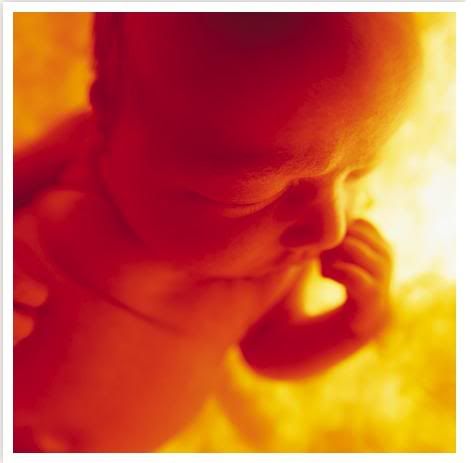 Summary of story from The Telegraph, 17.1.11.
Poor eating habits or dieting during early pregnancy could damage the baby’s intelligence, a new study has found.
A low calorie diet affects the brain development of the unborn, which could lower IQ and lead to behavioural problems later in life, researchers at the University of Texas found.
It observed decreased formation of cell-to-cell connections, cell division and amounts of growth factors in the foetuses of mothers fed a reduced diet during the first half of pregnancy.
Dr Peter Nathanielsz said: “This is a critical time window when many of the neurons as well as the supporting cells in the brain are born.”
Researchers compared two groups of baboon mothers, but believe the findings are relevant for humans.
One group ate as much as they wanted during the first half of pregnancy while the other group was fed 30 per cent less, a level of nutrition similar to what many prospective mothers experience, especially if they have morning sickness.
They found the low calorie diet caused restrictions in the growth of hundreds of neurons and affected hundreds of genes.
Published in the journal Proceedings of the National Academy of Sciences, co-author Dr Thomas McDonald, said: “This study is a further demonstration of the importance of good maternal health and diet.”
“It supports the view that poor diets in pregnancy can alter development of fetal organs, in this case the brain, in ways that will have lifetime effects on offspring, potentially lowering IQ and predisposing to behavioural problems.”
During pregnancy, the women’s diet should provide with enough energy and nutrients for the baby to grow and develop. Vitamins and minerals, including folic acid, iron, and vitamin D are essential for the baby’s development.
Expectant mothers should try to eat a variety of foods including fruit and vegetables, starchy foods, protein, and fibre, says the Food Standards Agency.