


Organic farming, towards sustainability
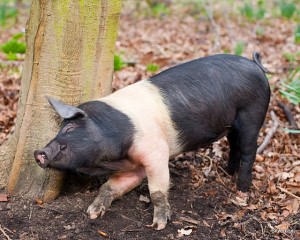 Summary from the Independent 31.01.11
In an interview with the Independent, Helen Browning, a farmer who is about to take directorship of the UK Soil Association, discusses the need to move towards sustainability.
This conversation is happening at a time when farmers are looking towards 2050 and wondering how it will be possible to feed 9 billion people.
There are two, very different, sides to the argument. One, advocated by Midland Pig Producers (MPP), is in favour of US style factory farms. These so-called ‘titan’ pig farms would house tens of thousands of animals and produce cheap, mechanised food.
Ms Browning is on the other side, arguing for organic farming.
Organic produce is considered by many to be little more than a middle-class luxury. But the Independent points out that there is a growing body of research which shows that organic is the way forward to sustain the population growth we are expecting.
On returning to her father’s farm after agricultural college, at the age of 24, with her own ideas on how to run the land, Ms Browning was met with some resistance by the farm hands.
However, when they saw how organic principles increased biodiversity, as well as the health and happiness of the animals, they warmed to the idea.
Ms Browning states that we can all get better at recycling, which is central to organic farming. The idea that we can make the world our own by covering soil in concrete is ‘just not a tenable world view’.
In fact, Browning argues, it reflects a destructive, macho mindset the aim of which is to dominate the natural world.
Her concerns are not just about sustaining the land, the animals and the population, but also the cost of doing so.
Ms Browning is aware of the price difference between organic and non-organic food. Noting that it is a fundamental right that good food should be available to all at a reasonable price, she discusses why the price differs.
Organic food is often more expensive because of the supermarket rather than the farmer. The price farmers get for beef and lamb are about the same regardless of organic status and despite organic produce being significantly more expensive to cultivate.
Ms Browning notes that the price differences between organic and non-organic food will narrow over the next few years due to the increase in price for non-organic farmers to use fuel and fertilisers.
These issues are being discussed widely at the moment and it is essential, as in all situations, that action speaks louder than rhetoric.
At a time when the UK is run by the politics of cuts, it is important to campaign for sustainability in the future.
To learn more about the Soil Association’s fight against MPP, please click here.