


The Rural Women’s Network Nepal: hope through education
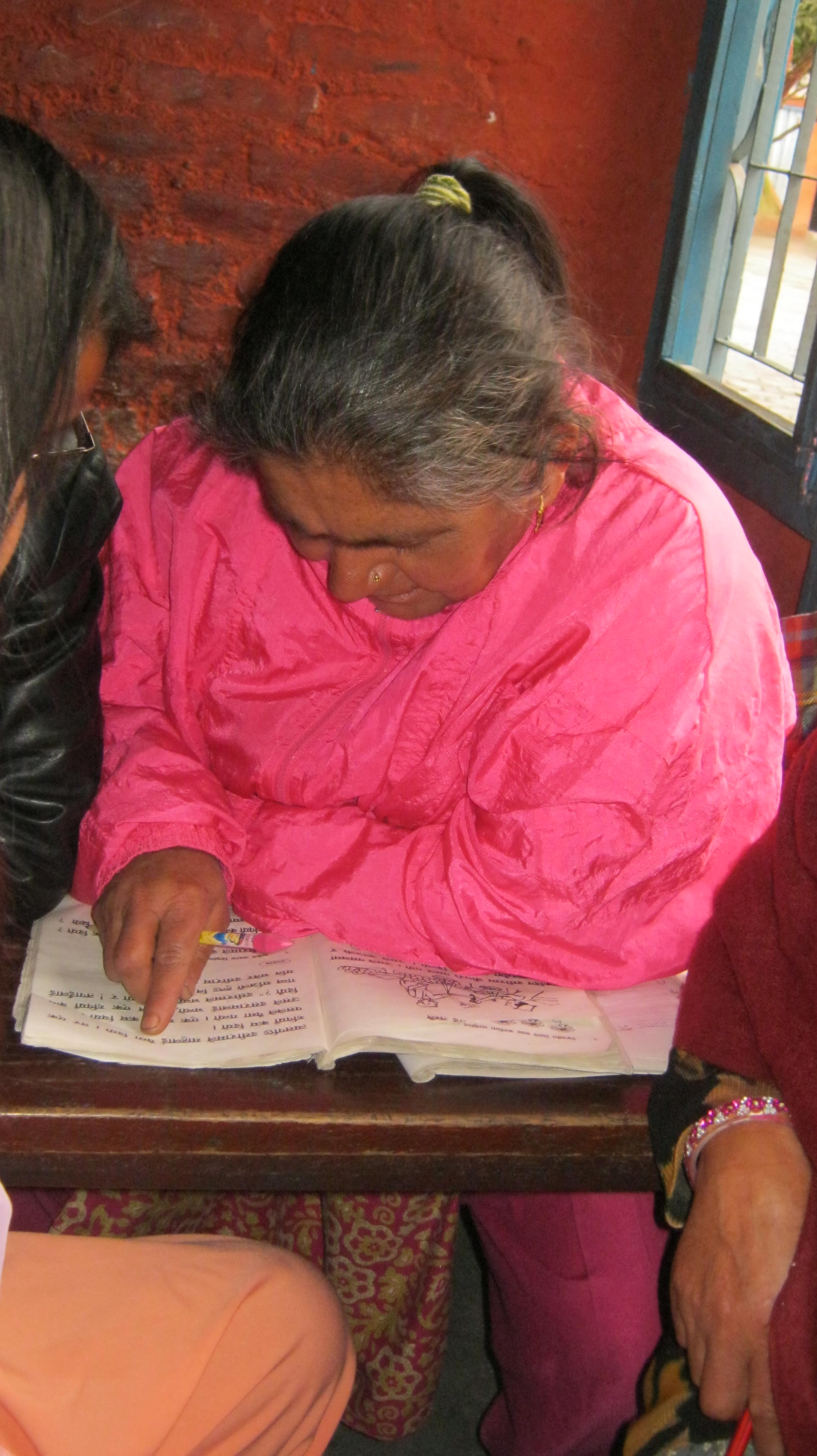
Maya Dulal is 61 and now able to read and write basic Nepali.
The Rural Women’s Network Nepal (RUWON Nepal) is a charity that promotes social justice in the field of women’s rights.
Although still in its embryonic stages, the rapid improvements already made to many women’s lives through the work of RUWON Nepal pays tribute to the experience and passion of the team. With decades of experience and commitment under their belt, RUWON is a collective effort to support marginalised women struggling to support themselves and gain autonomy in Nepalese society.
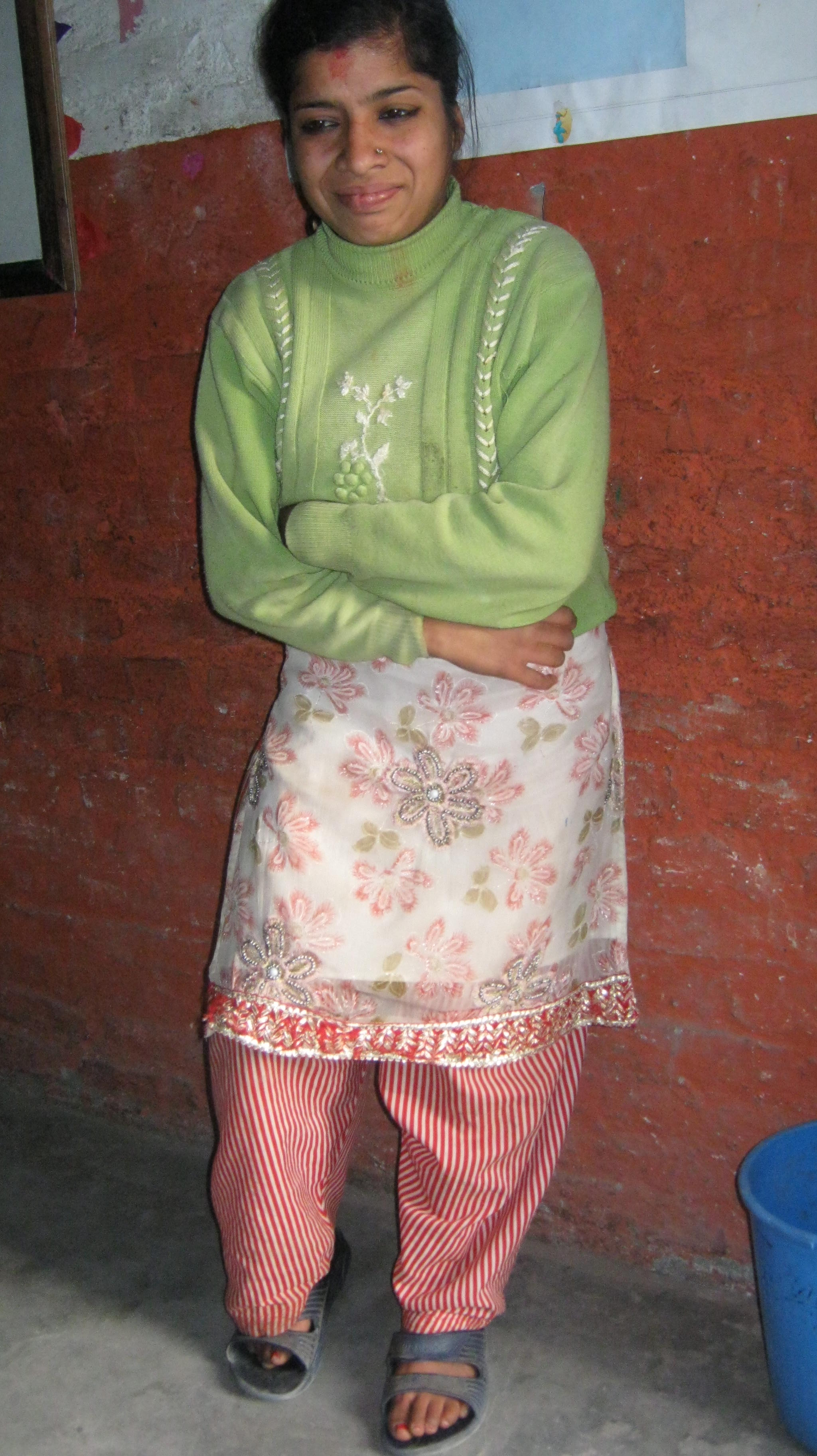
Anima has been attending for 12 months
Recognising education as one of the most empowering and sustainable tools we have, in 2010 RUWON implemented a three-year Gender Equality and Micro Savings programme in various youth groups in Kathmandu Valley.
On this course, leaders of these groups learn about education in gender and women’s rights and explore leadership and personality development and micro finance. The training seeks to give these leaders new knowledge and the confidence to express their thoughts in a public domain, thus spreading this message to their students and across their communities.
Another project that has already yielded positive results is the creation of the Women’s Literacy School. February 2010 saw the opening of the school, aimed to offer knowledge to illiterate women in all ages in Nepali, maths and English.
With the student’s ages ranging from 20 to 79, this volunteer led school has proved a lifeline to many women who would have otherwise remained illiterate and therefore reliant on others. It has provided many women with the possibility of options that many might otherwise take for granted.
For 20-year-old disabled student Anima Parajuli, the Women’s Literacy school has provided a stepping stone toward her goals in the future. “I want to complete my school education from this school. I want to join in university. I can teach freely when I (have) completed my school education from this school,” she says.
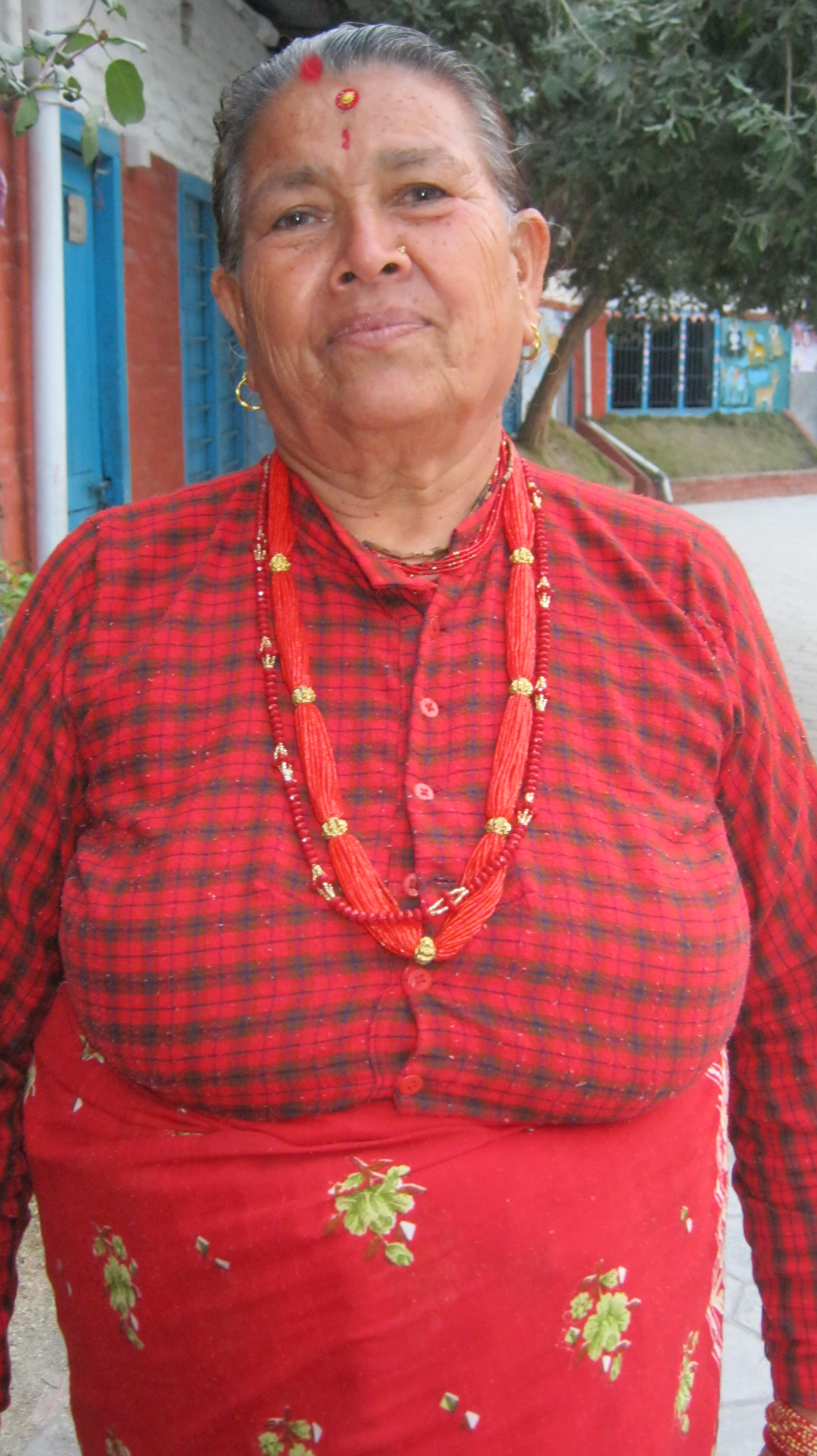
Satya attends the school and works in construction with her husband
Around 200 women, from many different backgrounds, currently attend the school. What is striking is the resilience of these women, many of whom face resistance from family members in their pursuit of education. Once enrolled in the school, many of their struggles continue as they juggle time-consuming family obligations and domestic responsibilities around their school work. In a society where many of these women fulfil supporting roles in the family, it is clear that many have taken the initiative to further their learning and become aware of the power of their own voices regardless of age and caste.
As 68-year-old student Satya Devi Luitel explains, “I get more information and knowledge (about) how I think. I can speak in front of people without any fear.”