


Glencore profits soar while the poor starve
 Summary of story from IPSNews, May 10, 2011
Global food prices have climbed recently, returning close to their 2008 peak when bread riots swept parts of the Middle East, Africa and the Caribbean.
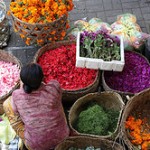
“The price for our daily food has at least doubled in the past two years,” Indonesian market vendor Lia Romi said.
“Food costs 100 per cent of my family’s daily income [of about $3]. I have nothing saved and I owe [money] from my [market stall] business.”
The rapid rise in prices for food, fuel and commodities has been disastrous for the world’s poor, but is a bonanza for multinational trading firms such as Glencore.
So while Lia Romi has trouble feeding her family, Glencore – the world’s largest diversified commodities trader – is planning a $11 billion dollar share sale, probably the largest market debut ever seen on the London Stock Exchange.
“Glencore owns almost 300,000 hectares of farm land and it is one of the largest farm operators in the world.
“They are engaging in speculation on the grain trade and have immense market power,” said Devlin Kuyek, a researcher with GRAIN, a non-profit international organisation working on food security.
“A disturbing amount of price increases, I fear, is being driven by speculative activity,” Marcus Miller, a professor of international economics at the University of Warwick, said.
“Bets [on future price rises or declines] can become self-fulfilling if you are big enough to affect the market.”
Glencore’s founder and ‘lifelong commodities hustler’ Marc Rich was once dubbed the “face of scandal” by Vanity Fair magazine.
After founding the company in 1974, Rich rose to prominence by pioneering “combat trading” – aggressive deal-making in countries facing turmoil.
“There will always be allegations that they [Glencore] are dealing with some unsavoury folks,” said Chris Hinde from Mining Journal magazine. “But I wouldn’t say that makes them unusual for traders.”
Back in her hut in Indonesia, on the front lines of the global food crisis, Lia Romi hasn’t been following Glencore’s stock flotation. She is worried about how to feed her three kids.
“Stability is to be prized,” said Oxfam’s David Green.
And that is the last thing Glencore wants, as it’s instability which is most profitable – for those who have the inside knowledge to exploit it.