


“Why claim there is change?” – the Arab Spring six months on
 Simon King
WVoN co-editor
If you were to pay attention to the front pages of western media outlets then you might be forgiven for thinking that the Arab Spring is over.
Almost half a year on from the initial pro-democracy protests, human rights in North Africa and the Middle East might seem like old news, but the goals of the Arab Spring are a long way from being fulfilled.
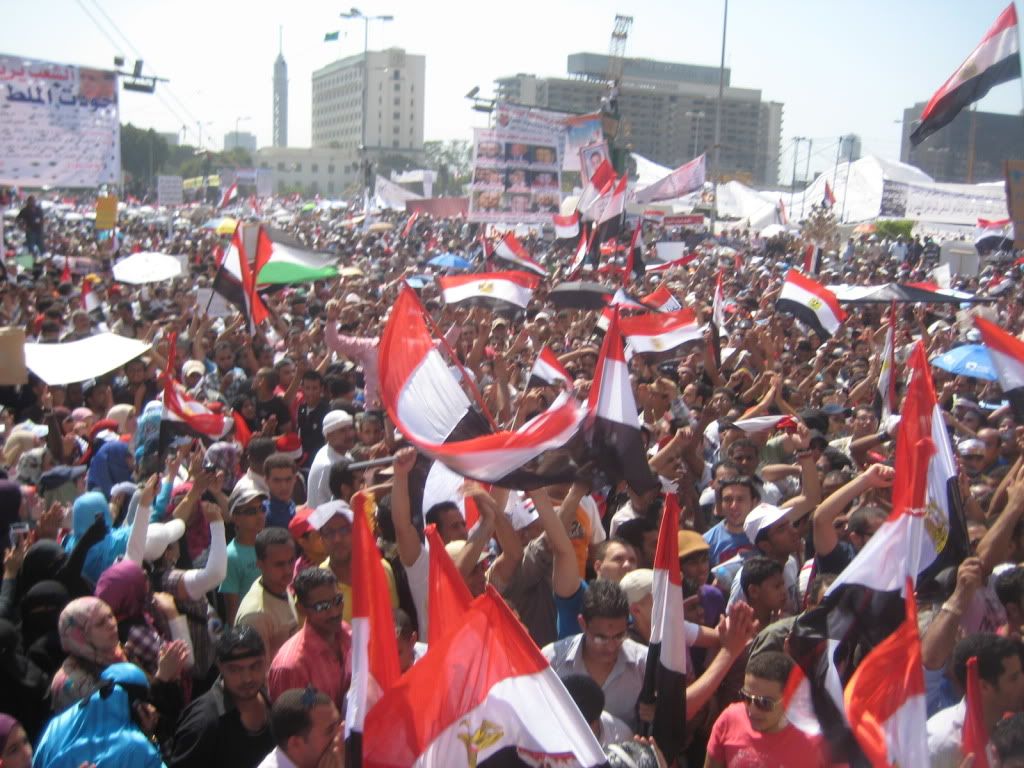
In Egypt, where much of the media’s initial attention was focused and where its president, Hosni Mubarak was ousted after almost 30 years of rule, protestors still gather in Tahir Square, challenging the new government over the promised changes that are too slow in coming.
One woman, Heba Fouad, a lawyer on a hunger strike prepares sandwiches for other protestors, although she will not eat until the demands of those in the square are met.
“I have an important message; I am against what is happening now. I want stability and prosperity in Egypt. If I can’t have a decent life, death is better for me. If I cannot live as a free woman, then it’s better to die as a hero,” Fouad said.
In Bahrain, security forces have engaged in widespread sadism, brutally stunting the people’s revolution.
Writers are being systematically silenced, killed, or exiled. Novelists, poets, bloggers, journalists, academics – the Bahraini government has little use for them while they persist in criticising the regime and demanding justice.
Poet Ayat al-Qarmezi was brought to international attention after she was arrested on March 30 for reading a poem that proclaimed: “We are the people who will destroy the foundation of injustice.”
On 5th April, when Karim Fakhrawi, board member of an independent newspaper died in prison the cause of death was claimed to be kidney failure.
Images of the dead show bruising on the body that the Bahraini government has declined to comment on.
Many writers have since fled and sought exile in other countries with varying degrees of success.
On 9th July a group of exiled journalists met in London to form the Bahrain Press Association in order to counter the government’s attacks on the media.
Co-founder and general secretary Nada al-Wadi, who was only released from Bahraini custody after signing a paper saying that she would not write on or engage in any political activities, said:
“We felt the need [as journalists] to unite ourselves … our main purpose is to speak on behalf of journalists inside and outside Bahrain and spread the word about what’s happening to them.”
She added: “When detaining journalists the authorities didn’t treat them as journalists, [they were treated] as protesters.”
On Thursday, approximately 200 detainees including poet Ayat al-Qarmezi were released from prison, though al-Qarmezi remains under house arrest (see WVoN story).
Now, although some of the journalists who have fled Bahrain have been invited to return to the country, many feel that it would be unsafe.
For poet and novelist Ali al-Jallawi: “It’s like a house that’s going to fall, and you say to me, ‘come live in the house you will be safe.’ I’m not going to trust you. Fix that house and then ask me to come and I will come with pleasure!”
I too remain sceptical of the Bahrain government’s willingness to uphold the rights of any journalists returning to the country. At the moment they are free of the regime’s oppression, able to write and speak freely.
I fear that the government may intend to strip that power away from them once again.
Iraq has not see pro-democracy protests to the same extent as other countries have. Since the toppling of Saddam Hussein the liberties of its people should have been protected.
Last month Aya Mohammed and seven other members of Iraq’s pro-democracy movement were sexually harassed and beaten while protesting in Iraq.
When Mohammed approached security forces bleeding and with a broken tooth, asking for help, she was told that help was not their responsibility.
Now activists are demanding an apology from the government, insisting that those who carried out the assault were members of the security forces, carrying police identification.
Writer and radio-host Ahmed al Obeidi was also attacked in the pro-democracy protest. Now she has called for an open-ended sit-in in the heart of Baghdad until the government investigates the violence.
Al Obeidi asks: “Why make claims of freedom and democracy when women are being attacked on every corner? Why claim there is change, when it is for the worse?”
It is a resounding message, and one that should not be forgotten. Why indeed should we claim there is change when it is for the worse, and why should we assume that the Arab Spring is over when it is so far from achieving its aims?