


Staggering increase in number of ‘hypersexual’ images of women in popular magazine
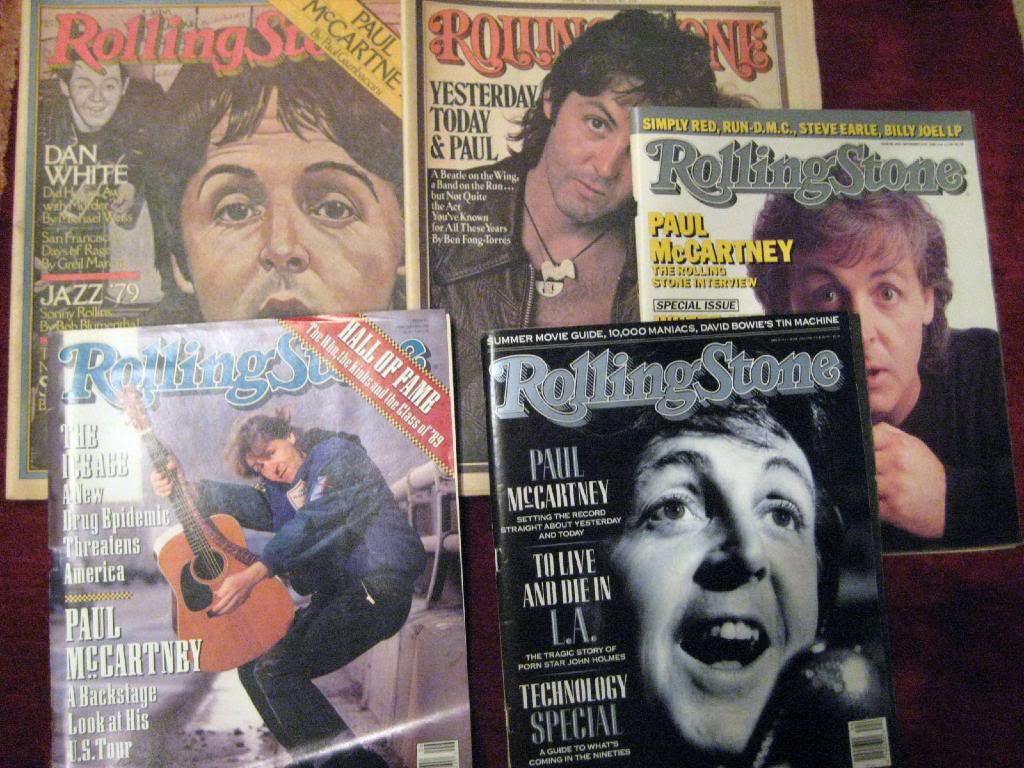 Summary of story from UB Reporter, August 11, 2011
The number of “hypersexualised” images of women in popular magazines has increased dramatically since the 1960s, a study of Rolling Stone magazine reveals.
Two academics in the United States, Erin Hatton and Mary Nell Trautner, studied more than 1,000 copies of Rolling Stone between 1967 and 2009 and found that there were more sexualised images of both men and women on the magazine’s cover.
But the increase in images of women was far greater.
Their report, to be published next month, shows that in the 1960s around 11 per cent of the images of men and 44 per cent of women on the covers of Rolling Stone were sexualised.
Forty years later this had increased to 17 per cent of men, while for women the number had increased by 89 per cent to 83 percent of all images.
In the last decade of the study there were 10 times more images of women than of men that were so intensely sexualised that they were labelled “hypersexualised”.
By contrast, the researchers found there were 11 times more images of men that did not portray them in a sexual way.
“What we conclude from this is that popular media outlets such as Rolling Stone are not depicting women as sexy musicians or actors; they are depicting women musicians and actors as ready and available for sex.”
This is problematic,” Erin Hatton said, “because it indicates a decisive narrowing of media representations of women.”
“We don’t necessarily think it’s problematic for women to be portrayed as ‘sexy.’ But we do think it is problematic when nearly all images of women depict them not simply as ‘sexy women’ but as passive objects for someone else’s sexual pleasure.”
Another piece of research that shows the existence of the backlash media culture – depicting women and girls as little more than wh**res in an effort to undermine people perceiving them as human beings with rights and feelings.