


‘Motherhood: only if I can and only if I am willing’
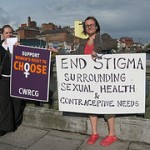 Sue Tapply
WVoN co-editor
The United Nations expert on the right to health, Anand Grover, recently presented a report to the United Nations General Assembly exposing how states are putting women’s and girls’ lives and health at risk through criminal laws and other misguided legal restrictions.
In particular, laws and restrictions that deny girls and women access to sexual and reproductive health information and services and the ability to make decisions about their sexual and reproductive lives.
The report, says rights group Amnesty International (AI), concludes that restrictions on abortion and contraception, the criminalization of pregnant women’s conduct (such as making drug use when pregnant a criminal offence), as well as restrictions on access to information on sexual and reproductive health violate girls’ and women’s rights to health.
The report supports earlier UN expert findings that states with these laws are in breach of their international human rights obligations.
All over the world girls and women experience sexuality and reproduction shaped by laws and policies that allow the state, and the people around them, to subject them to pressure, fear, intimidation, pain, suffering and punishment.
Legal provisions restrict access to sexual and reproductive rights, or affect the provision of sexual and reproductive health information and services.
The UN expert’s recommendations in this report echo calls made by international human rights bodies and public health experts.
But most importantly, the report reflects the demands of girls and women and those acting for the protection of their rights.
On September 28, hundreds of Nicaraguans marched against the abortion ban in their country (see WVoN story).
And two young girls held a banner saying it all: “Motherhood: only if I can and only if I am willing.”