


Autocratic rule cripples Swaziland
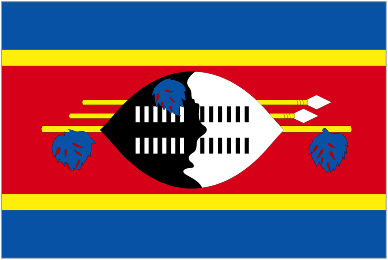 Summary of story from The Globe and Mail, December 3, 2011
Simangele Mmema, the principal of a rural Swaziland primary school, is struggling to keep it going.
She has been forced to close for weeks at a time because there is no money to feed the pupils, some of whom she has seen collapse with hunger during morning assembly.
“We can’t keep them here if they can’t eat,” she said.
The schools are the latest victims of Swaziland’s financial crisis – a crisis largely due to mismanagement by the autocratic king who has ruled the country for the past 25 years.
Swaziland’s King Mswati is one of the world’s last absolute monarchs, and his estimated $200-million personal fortune contrasts sharply with that of the ordinary Swazi.
Stephen Lewis, the former UN ambassador on AIDS in Africa, remembers meeting King Mswati and seeing the King’s female aide crawling on her knees into the room and then crawling out backward so that her back would never be turned to him.
The king enjoys frequent European spending sprees in private jets, and his 13 wives, selected during an infamous Reed Dance, where thousands of bare-breasted virgins dance so he can choose – another – one, drive Mercedes Benz limousines.
Even before the latest crisis, the Swazi people already had the world’s lowest life expectancy – barely 33 years.
Two-thirds of them earn less than a dollar a day. And they suffer the world’s highest rate of HIV, with 26 per cent of the adult population infected.
When trade unions voiced objections to the monarch’s lavish lifestyle, King Mswati suggested that the masses should ‘work even harder and sacrifice even more’.
Thanks to economic mismanagement, the financial crisis in Swaziland means grants to pensioners have been delayed, supplies of life-saving HIV medicine have been disrupted, the country’s only university was shut down for weeks, and students have been deprived of meal and book allowances.
The financial crisis worsened this year when customs revenue dropped by 60 per cent.
In response South Africa offered a loan to bridge the gap, which the king’s government – wholly appointed by the king himself – refused to accept since it came with the demand of economic and political reforms.
And when demonstrators sought to follow the example of their North African neighbours, the protests were crushed by the police and army with tear gas and water cannons.
This year, however, more Swazis have been willing to defy their King and protest against his government.
Teachers danced and applauded last month when their leaders called for democracy.
“Let us tell the truth and liberate our country,” said Sibongile Mazibuko, president of the Swaziland National Association of Teachers, in a speech to the teachers.
“Revolution came to Egypt and Libya,” she said.”The people will lead us, they shall fill the streets. I am ready to pay with my blood for democracy.”