


PETA really needs to learn a new trick
 It’s time PETA tried to campaign for animal rights without objectifying women.
Yet again, the animal rights group People for the Ethical Treatment of Animals (PETA) couldn’t quite campaign on an animal rights issue without using women’s bodies.
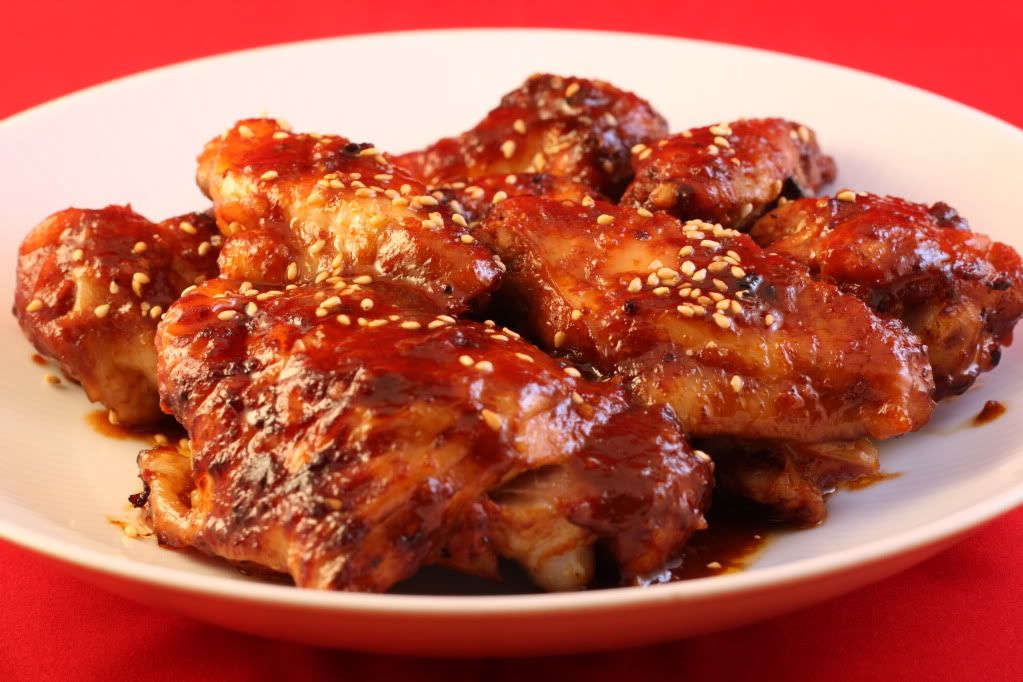
They wrote an open letter to the National Buffalo Wing Festival – a 2-day event in Buffalo, New York, that features a series of chicken wing-eating contests – urging the organisers to prevent pregnant women from participating in the event, ‘for the sake of their son’s sex organs’.
PETA’s objection to the event was that ‘chickens suffer every day of their abbreviated lives, including when they’re hung upside down by their legs from conveyor belts before their throats are cut. They’re also often submerged in scalding-hot water to be defeathered while still conscious’.
Aiming to discourage participants, PETA pointed out that women eating poultry during their pregnancy are more likely to have boys with smaller penises and blocked arteries at birth in both sexes.
Yet according to Women’s Health, the study PETA based their claims on did not in fact examine chicken consumption.
It did say that prenatal exposure to phthalates can affect boys reproductively.
Exposure to phtalates, a chemical that has raised concerns among consumer health advocates, comes from many sources, including plastic food containers, personal care products and foods. In the list of foods that contain phtalates, chicken doesn’t come close to the top, so PETA’s claims were tenuous at best.
PETA has traditionally relied on objectifying women’s bodies to promote its values, whether it was in the famous ‘I’d rather go naked than wear fur’ advertisement with models or Pamela Anderson portrayed as a piece of meat.
Then there was the time they ran an advertisement against fur, using the concept of it being unattractive for women to have pubic hair, to get their message across.
Or the time they promoted vegetarianism by mocking overweight women, comparing them to beached whales. Billboards featured an overweight woman in a bikini on a beach and the caption read, ‘Lose the blubber: go vegetarian’.
The chicken wings stunt is just the latest in a series of campaigns that seek through shame or guilt to get women to adopt the lifestyle choices PETA promotes.
Not content with systematically degrading and objectifying women, PETA also ran what they called a ‘tongue-in-cheek’ advertisement playing on domestic abuse.
The advertisement, which argued that becoming a vegan improved a man’s sexual prowess, showed a woman in a neck brace and with bruises, staggering down a road.
The narrative was in the style of a typical public service announcement. The punchline was that the woman was in fact suffering from “BWVAKTBOOM – “boyfriend went vegan and knocked the bottom out of me” – her injuries coming from her boyfriend’s new-found vigour in the sack.
While PETA has become famous for these tactics, the mystery remains as to why it seems so difficult for them to campaign for animal rights without degrading women.
It should, surely, be possible to campaign against animal cruelty without relying on women’s bodies as a prop and on their objectification as a media tactic.
Other animal rights groups have successfully campaigned without resorting to such low-hand tactics.
The ongoing campaign against the badger cull has employed a range of strategies.
Activists have launched petitions, which has become the first ever e-petition to top 300,000 signatures, involved celebrities such as Queen’s Brian May in their campaign and released an anti-culling pop song. They have held candle-lit vigils and marched at night. They have even found time to fight right-wing extremists.
They have managed to do all of that without objectifying or degrading women.
Maybe PETA could learn a trick or two from them.